What's for Dinner — Quick Pick & Nutrition Coach
by Alvin Ng
Alvin answered the "what's for dinner" brief twice, and rather than pick a winner, both answers now live on one site behind a landing page that asks how much you care tonight. Quick Pick is the thirty-second answer; Nutrition Coach is the considered one. The gap between the two attempts is the interesting part.
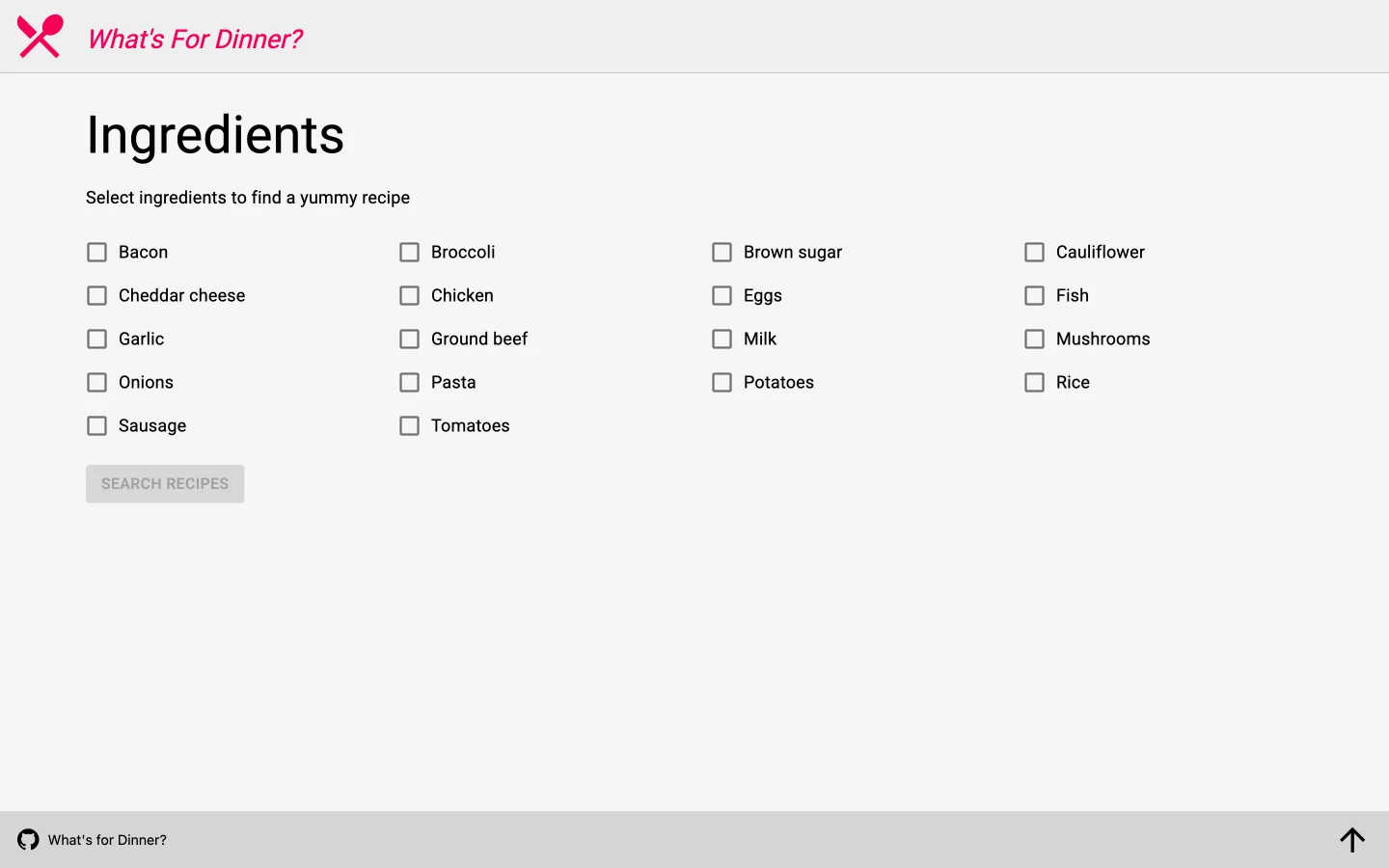
The first pass, What's for Dinner?!, is a bright, kid-facing fridge picker. Tap what you actually have, and it scores every recipe on how many of its ingredients you already own against how many you would need to go and buy, keeps only the dishes you can genuinely start, then reveals its choice with a countdown and confetti. It explains itself too — a buildReason() step tells you which of your ingredients drove the pick rather than just naming a dish. It is deliberately simple, written for a child to use alone, with steps like "boil the pasta until it is bendy".
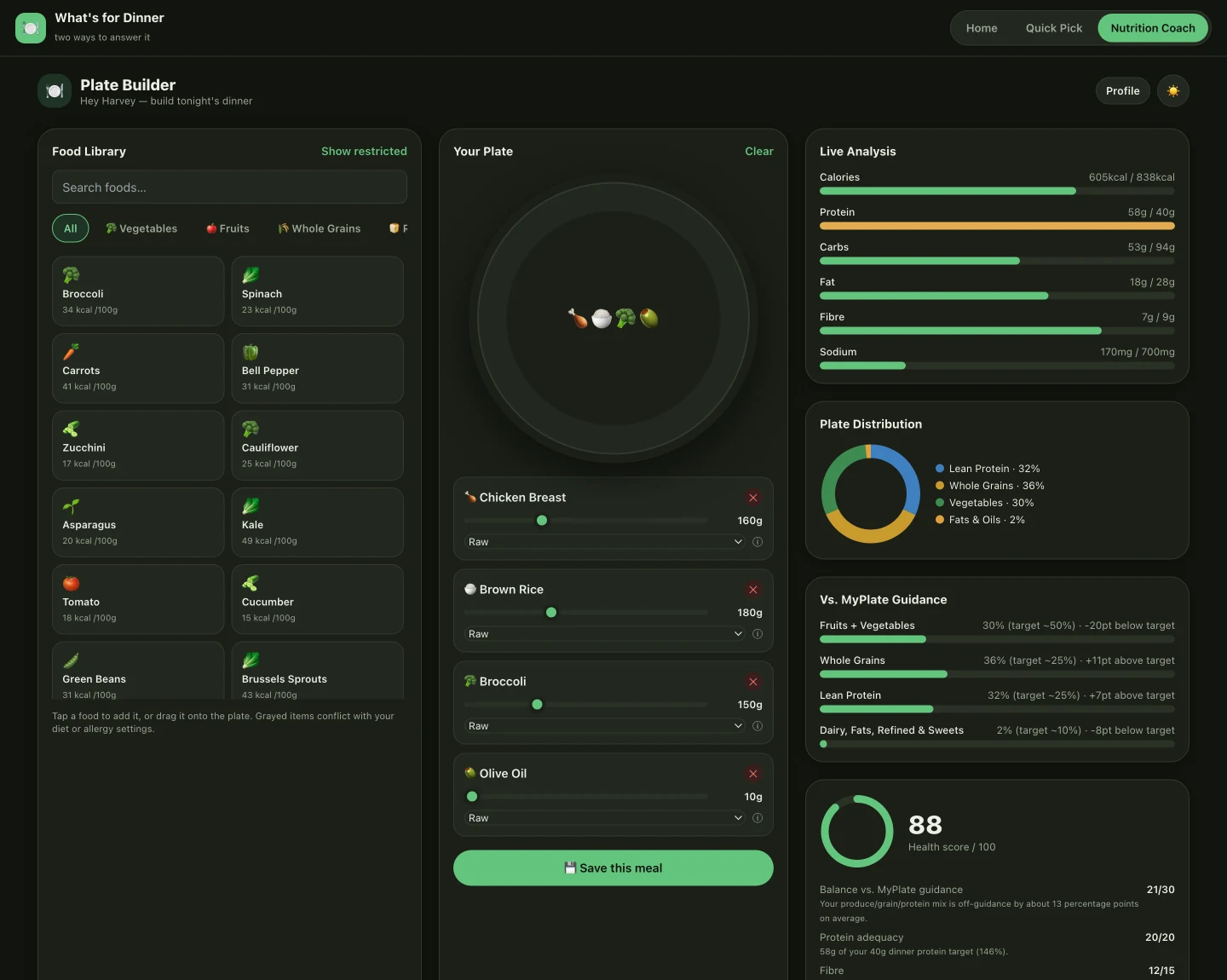
Plate Builder is the same brief taken seriously. It opens by asking for age, sex, height, weight, activity level and goal, then runs the Mifflin-St Jeor equation to get a basal metabolic rate, applies an activity multiplier for total daily energy expenditure, and takes roughly a third of that as tonight's calorie target. Protein is set at 1.9 g per kilogram of bodyweight and split the same way. Those are the real formulas a dietitian would use, not invented numbers.
From there you build a plate out of a categorised food library — vegetables, whole and refined grains, lean and fatty proteins, legumes, dairy, nuts, fats, and a sweets-and-processed section that is honestly labelled as such. Every food carries per-100g calories, protein, carbs, fat, fibre and sodium. The plate updates live: a donut of the macro split, a distribution chart, a health score, and a comparison against MyPlate's "half the plate should be vegetables" guidance.
The Coach's Verdict is the part that makes it a coach rather than a calculator. It grades the plate against your specific goal, then writes short sections on recovery, sleep and diet compliance, and finishes with a concrete "try this" — for example, add another serving of vegetables because you are currently under the half-plate guidance. Foods that clash with a stated allergy or diet preference are greyed out rather than silently dropped, so you can see what was excluded and why.
It saves meals to a history you can export and re-import as JSON, remembers your plate between visits, has a light and dark theme, and closes with a line that a lot of student health projects forget: nutrition values are estimates for general guidance only and are not medical advice.
More like this
Grid Watch — Live F1 Standings, Telemetry & Strategy
by Cyrus Lee
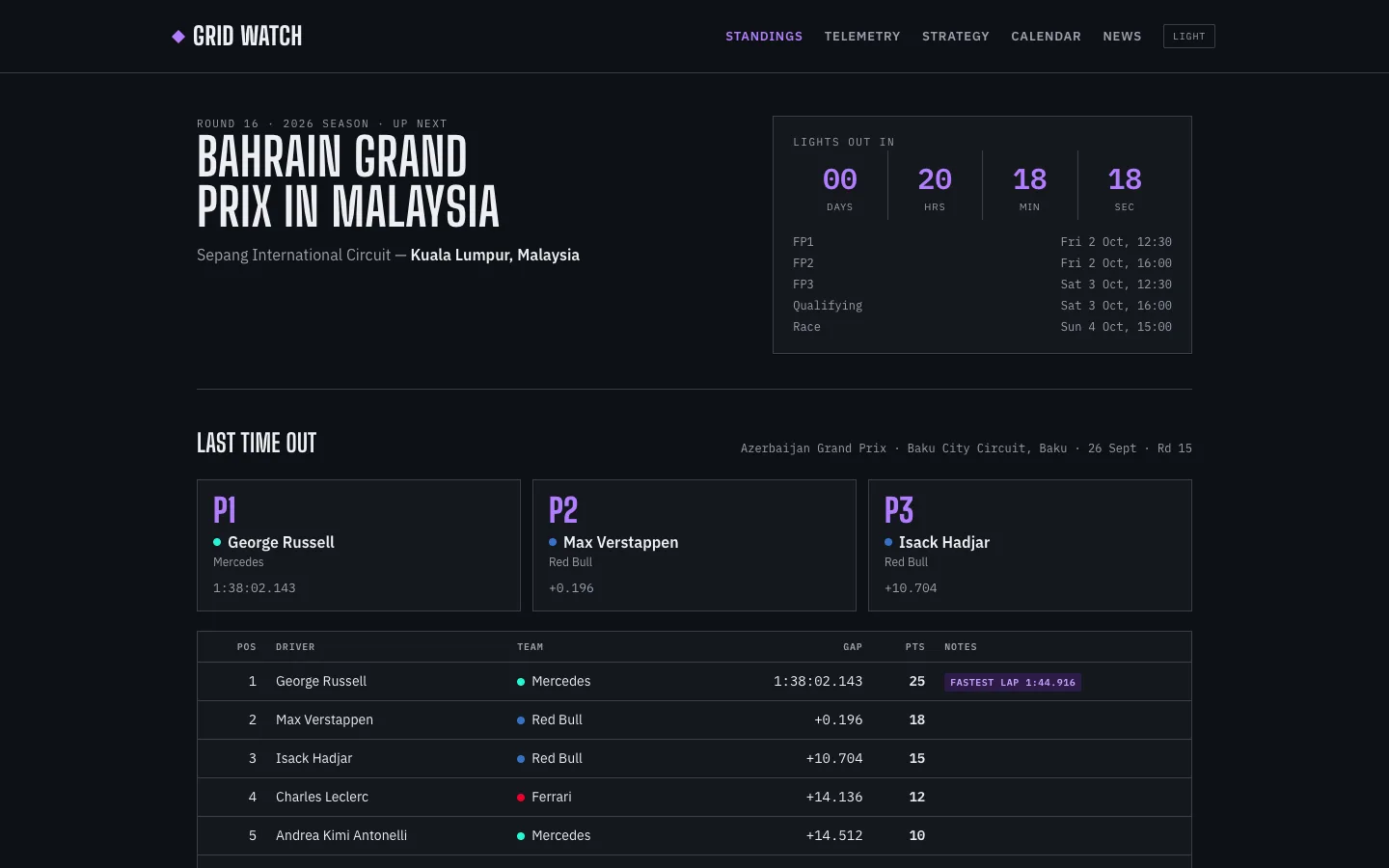
A live Formula 1 dashboard: championship standings and a race-weekend countdown, lap-by-lap telemetry with a corner-by-corner braking comparison of any two drivers, and tyre strategies projected from the weekend's own long-run pace.
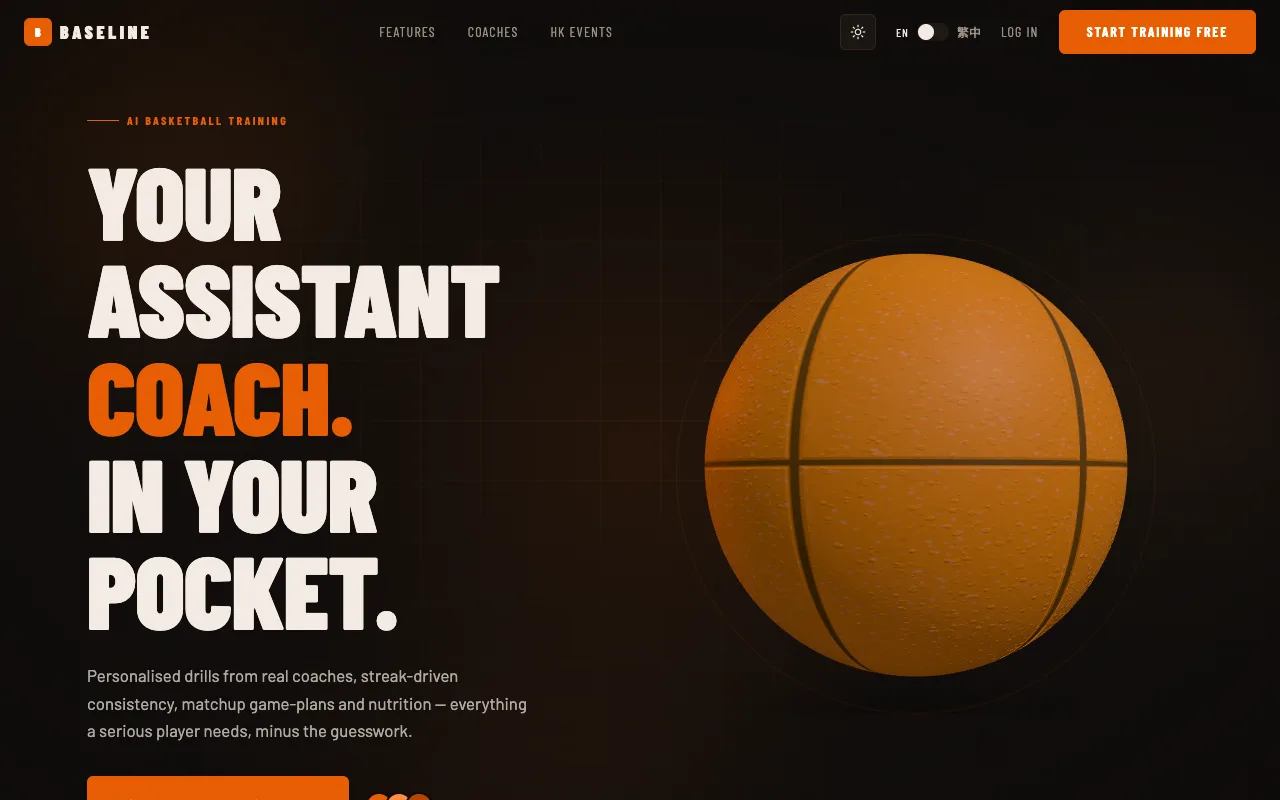
Baseline — Your Assistant Coach, In Your Pocket
by Diana Lam
An AI basketball training platform for Hong Kong players — personalised drills credited to real coaches, streak-driven session logging, matchup game-plans and a coach marketplace, with a full Supabase auth and onboarding flow behind it.
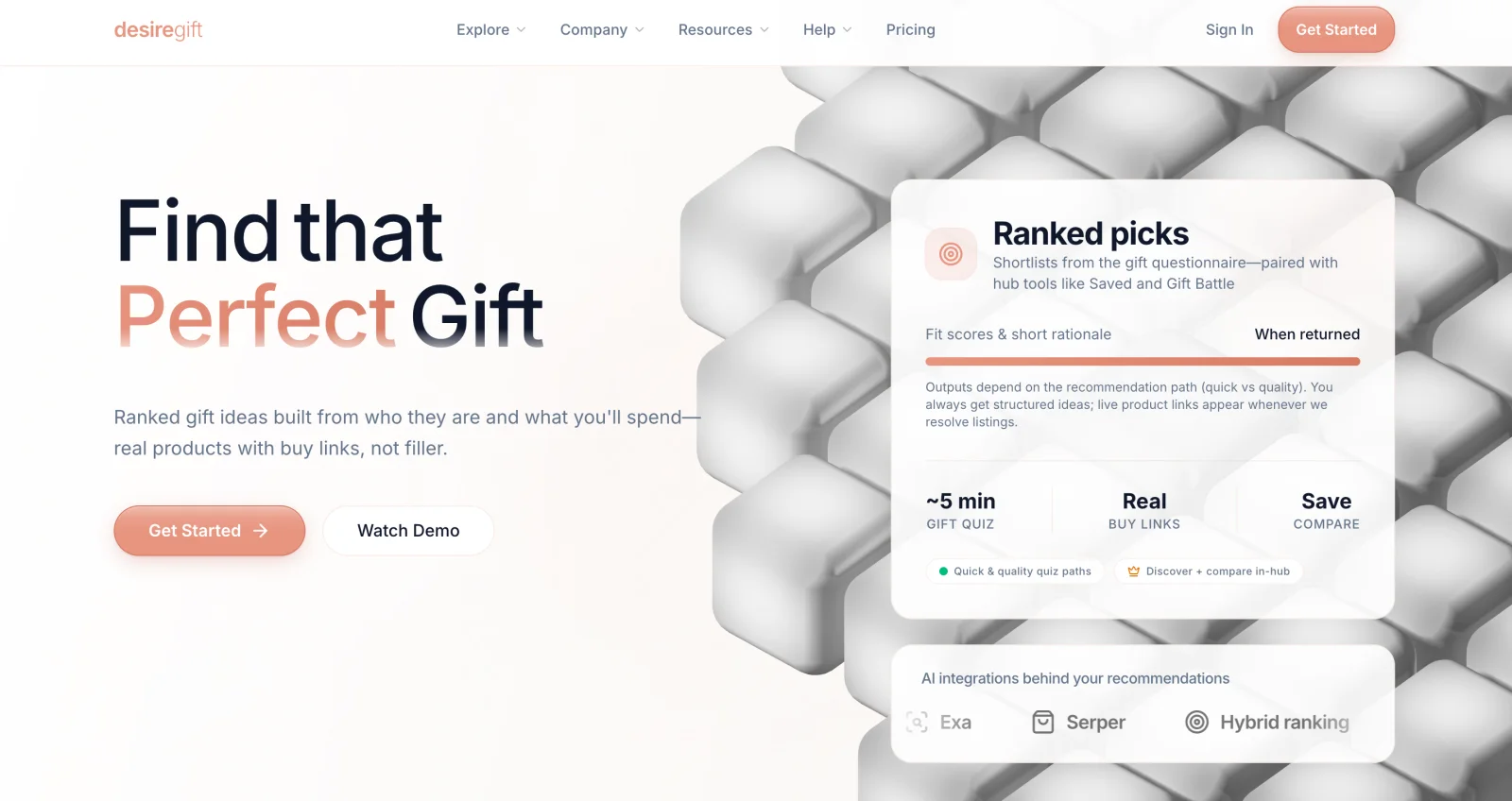
desiregift — AI-Powered Gift Intelligence
by Marcus Cheung
A commercial AI gifting platform on its own domain — a quiz that profiles your recipient, a hybrid ranking engine that returns scored picks with real buy links, and a ten-tool hub with Gift Battle, Gift Rater and analytics, monetised on three Stripe tiers.